
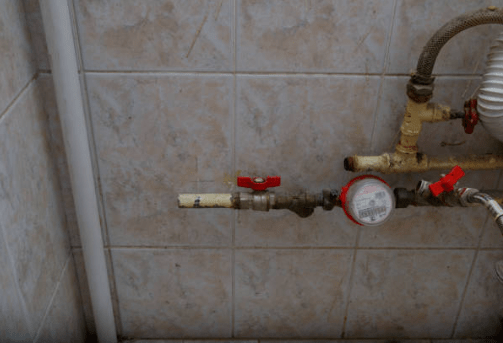
It’s crucial to investigate the issue right away if you’ve observed a drop in water pressure throughout your house. Low water pressure can interfere with your regular activities and signal a more serious issue with your home’s plumbing system. We’ll look at the reasons why water pressure is low in your home’s plumbing system in this post, along with some solutions.
Definition of Low Water Pressure
When the water flow through your plumbing system is weaker than usual, low water pressure results. In a typical residence, the water pressure should range from 40 to 60 PSI (pounds per square inch). Water pressure less than 40 PSI is regarded as being low.
Lorem ipsum dolor sit amet, consectetur adipiscing elit. Ut elit tellus, luctus nec ullamcorper mattis, pulvinar dapibus leo.
Causes of Low Water Pressure
Your home’s water pressure may have declined for a number of reasons, including:
- Water supply issues from your local water supplier
- Corroded or damaged pipes
- Clogged pipes
- Malfunctioning pressure regulator
- Faulty fixtures
How to Identify Low Water Pressure in Your Home Plumbing System
There are a few warning indications that low water pressure is present in your home. These consist of:
- Slow water flow from faucets or showerheads
- Reduced water pressure when using multiple fixtures at the same time
- Decreased water pressure from a specific fixture
- No water at all from a specific fixture
You can use a water pressure gauge, which is available at most hardware stores, to determine the water pressure in your house.
Common Causes of Low Water Pressure
Let’s examine the typical reasons for low water pressure in your home’s plumbing system in more detail.
Water Supply Issues
Your home may have low water pressure if your neighborhood water provider is having problems, such as fixing a water main break. It is recommended to get help in these situations from your neighborhood water source.
Corroded Pipes
Low water pressure can be caused by corroded, rusted, or broken pipes over time. The best course of action is to request an examination from a licensed plumber if you think this might be the problem.
Clogged Pipes
Low water pressure in your house might also be brought on by clogs. This may be brought on by many substances that obstruct the flow of water, such as mineral buildup or debris. This problem can be resolved by cleaning the pipes or hiring a qualified plumber to do a thorough cleaning.
Malfunctioning Pressure Regulator
Your home’s water pressure should remain constant thanks to the pressure regulator. Low water pressure can be caused by it if it’s not functioning properly. Locate the pressure regulator, which is typically located close to the main water shutoff valve, and check the water pressure both before and after the regulator to see whether that is the problem. If there is a substantial difference, the pressure regulator might need to be changed.
Faulty Fixtures
Low water pressure can also be brought on by broken fixtures, such as faucets or showerheads. The obstruction or flaw in the fixture itself may be the cause of the problem. If the issue persists, try cleaning the fixture to get rid of any accumulation or think about replacing it.
How to Troubleshoot Low Water Pressure in Your Home Plumbing System
If you’ve identified low water pressure in your home plumbing system, here are some steps to troubleshoot the issue:
Check for Water Supply Issues
Check with your neighborhood water provider to determine if there are any supply difficulties before drawing any conclusions. Checking other probable causes comes next if there aren’t any.
Inspect the Pressure Regulator
Low water pressure can result from a broken pressure regulator, as was already explained. Test the water pressure before and after the regulator to see whether there is a noticeable variation if you think this might be the issue. If so, the pressure regulator needs to be changed.
Examine the Pipes for Corrosion or Clogs
Check your entire home’s pipes for any indications of corrosion or obstructions. It’s preferable to call a qualified plumber to remedy the problem if you see any rust or debris accumulation.
Clean the Fixtures
If only one fixture is being affected by the low water pressure, the issue can be a clog or a problem with the fixture itself. If the issue remains, try cleaning the fixture to get rid of any accumulation. If not, think about replacing it.
Call a Professional Plumber
It’s time to hire a qualified plumber if you’ve tried all the troubleshooting methods but still can’t figure out the problem. They may examine your home’s plumbing system carefully and pinpoint the issue.
Conclusion
A frustrating and inconvenient issue in your house is low water pressure. You can restore appropriate water flow throughout your home’s plumbing system by determining the source and taking the necessary actions to solve the problem. Do not forget to look for problems with the water supply, evaluate the pressure regulator, check the pipes, clean the fittings, and, if required, call a licensed plumber.
Visit our website Leak Troopers Plumbing of Miramar and Google My Business Page or call this number if you have water pressure issue right away (754) 258-6205.